Greco-Roman Wrestling Guide
Greco-Roman Wrestling Camp in Georgia: Pummeling, Throws and Upper-Body Control
Train Greco-Roman wrestling in Georgia with a Tbilisi camp focused on pummeling, body locks, upper-body ties, throws, par terre habits and live rounds.
Planning guide only. Confirm current coaches, training format, schedule, venue, facilities, dates, prices, rooms, meals, transfers, equipment, availability, and commercial terms in writing before paying or booking travel.
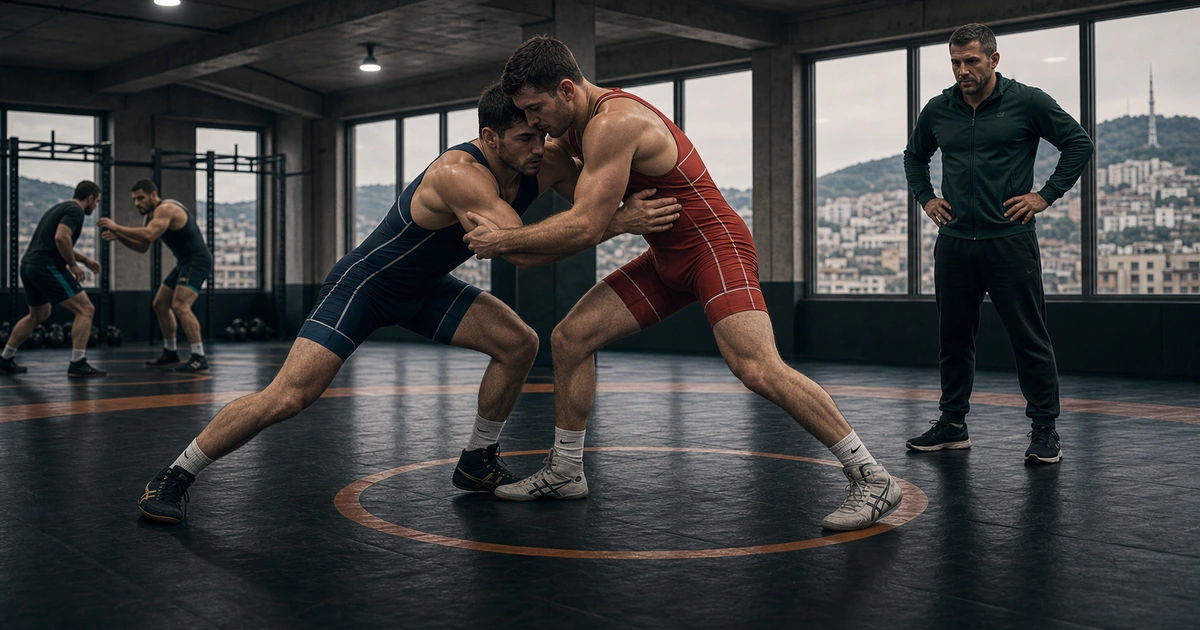
Hero: generated editorial illustration, not documentary camp media
Quick answer
A Greco-Roman wrestling camp in Georgia should be built around pummeling, underhooks, body locks, upper-body control, throws, par terre habits and live rounds with safe intensity.
Choose Greco-Roman if you want better clinch pressure, stronger upper-body ties and takedowns that do not depend on attacking the legs.
Georgia is a strong setting because modern wrestling sits beside Chidaoba heritage and a wider grappling culture.
Published planning snapshot — confirm every item in writing
Main style
Greco-Roman wrestling
Core skills
Pummeling and throws
Crossover value
MMA, judo and no-gi clinch work
Camp base
Tbilisi, Georgia
Who Greco-Roman is best for
Choose Greco-Roman if you want upper-body wrestling to become more reliable.
The style is built around pummeling, inside position, underhooks, body locks, arm throws, lifts and par terre habits rather than leg attacks.
That makes it useful for Greco-Roman wrestlers, MMA athletes who clinch, judoka who want no-gi pressure and grapplers who need better posture in close range.
It is also honest. If you cannot win position with your hands, head and hips, the round will tell you quickly.
The upper-body focus
A Greco-Roman week should make the athlete harder to move and harder to clear.
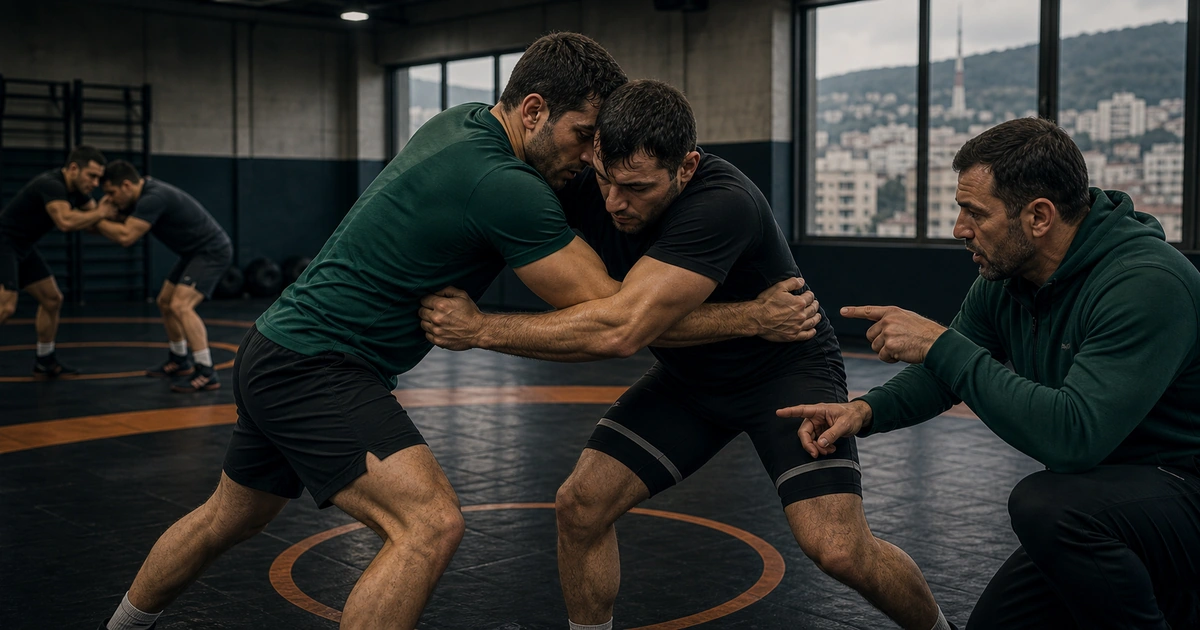
Expect work on pummeling, underhook battles, over-under control, body locks, arm drags, snap reactions and throwing entries that do not require leg attacks.
The safest camps build those skills in layers before asking athletes to throw hard under fatigue.
Good live rounds should feel specific: win inside position, create pressure, finish or recover cleanly.
A sample Greco-Roman week
The weekly rhythm should still follow the same camp logic: level check, technical theme, pressure testing and a take-home plan.
For Greco-Roman, the theme changes toward upper-body positions and par terre habits rather than leg attacks.
Illustrative planning sequence only, not the current camp schedule or a promised outcome. Confirm session times, rest days, coaches, partner format, and training content in writing for your dates.
Day 1
Level check, stance, posture and pummeling basics
Which posture and upper-body habits will the current coach assess?
Days 2-3
Underhooks, body locks and throwing entries
Which entries and safe throwing mechanics will be included?
Day 4
Defense, par terre habits and controlled live rounds
How will resistance and live work be introduced safely?
Days 5-6
Live pummeling, tactical choices and pressure rounds
Which ties, throws, and intensity are appropriate for your level?
Day 7
Review, lighter rounds and take-home clinch plan
Will the confirmed plan include review or take-home notes?
Greco-Roman vs freestyle
Freestyle lets athletes attack the legs, so it naturally emphasizes shots, sprawls, scrambles and finishes below the waist.
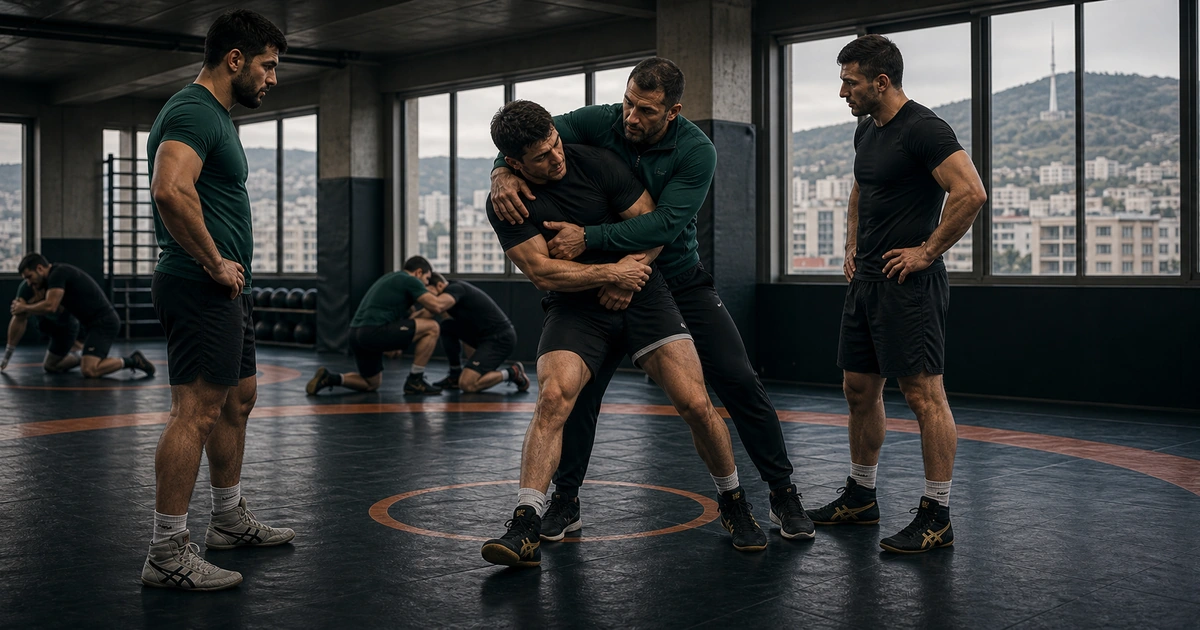
Greco-Roman removes that option and makes the upper-body battle central.
Neither is better for every athlete. The right choice depends on the problem you want solved.
If you keep losing the clinch, getting moved in over-under or failing to turn body locks into control, Greco-Roman is the more direct camp emphasis.
Why it helps MMA and judo crossover athletes
MMA athletes need clinch pressure that connects to wall work, mat returns and safe exits.
Judoka often understand grip and throw timing, but Greco-Roman work can help translate some upper-body ideas into no-gi pressure.
For BJJ athletes, Greco-Roman habits can improve posture, hand fighting and the ability to stay dangerous from close contact.
The crossover value is not magic. It comes from repeated rounds in positions that usually get avoided.
Prices, dates and booking questions
Greco-Roman training is still a practical camp decision. Compare the module length, package type, room type and recovery plan before you book.
Ask whether your week can emphasize upper-body wrestling and tell the team about shoulder, neck or back history.
That honesty helps coaches scale live rounds, throwing volume and par terre work to your level.
Published package and price examples are planning figures, not live offers. Confirm the total price, currency, training, hotel, room, meals, transfers, inclusions, exclusions, and payment terms in writing.
Training Week
EUR 500
Published training-only planning option; confirm current training access, schedule, exclusions, and total in writing.
7-day Bed & Breakfast + Hotel shared room
EUR 990
Published 7-day shared-room planning option with hotel and breakfast only; lunch, dinner, excursions, and mountain trips are excluded. Confirm current training, room, transfers, total, and terms in writing.
7-day Bed & Breakfast + Hotel private room
EUR 1,190
Published 7-day private-room planning option with hotel and breakfast only; lunch, dinner, excursions, and mountain trips are excluded. Confirm current training, room, transfers, supplement, total, and terms in writing.
14-day Bed & Breakfast + Hotel shared room
EUR 1,980
Published 14-day shared-room planning option with hotel and breakfast only; lunch, dinner, excursions, and mountain trips are excluded. Confirm current training, room, transfers, total, and terms in writing.
14-day Bed & Breakfast + Hotel private room
EUR 2,380
Published 14-day private-room planning option with hotel and breakfast only; lunch, dinner, excursions, and mountain trips are excluded. Confirm current training, room, transfers, supplement, total, and terms in writing.
Ask about a Greco-Roman emphasis
Send your level, clinch goal and any shoulder or neck limitations, then ask the team to assess the current options in writing.
Plan my Greco-Roman weekRelated Guides
Ready to train wrestling in Georgia?
Send your preferred dates, level, and training request. The team must confirm the current plan, availability, and all commercial terms in writing; this page does not reserve a place.
Training Trip FAQ
Can I train Greco-Roman wrestling in Georgia?
Ask whether the current Tbilisi plan can emphasize pummeling, underhooks, body locks, throws, par terre habits, and live upper-body rounds.
Is Greco-Roman useful for MMA?
Yes. Greco-Roman work can help MMA athletes with clinch pressure, upper-body control, wall-style wrestling habits and mat returns.
Should beginners choose Greco-Roman or freestyle?
Beginners can train either style, but the best choice depends on the goal. Choose freestyle for leg attacks and Greco-Roman for upper-body control.
What should I tell the camp before Greco-Roman training?
Share your experience level, current training volume, main clinch goal and any shoulder, neck or back limitations.
Sources
These sources support the historical, sporting, or travel context cited in the guide. They do not verify current camp coaches, schedules, facilities, packages, or availability.