Camp Length Decision Guide
7-Day vs 14-Day Wrestling Camp: Which Tbilisi Module Should You Book?
Compare published 7-day and 14-day wrestling request options in Tbilisi by goal, travel, recovery, planning price, and room request without assuming an outcome.
Planning guide only. Confirm current coaches, training format, schedule, venue, facilities, dates, prices, rooms, meals, transfers, equipment, availability, and commercial terms in writing before paying or booking travel.
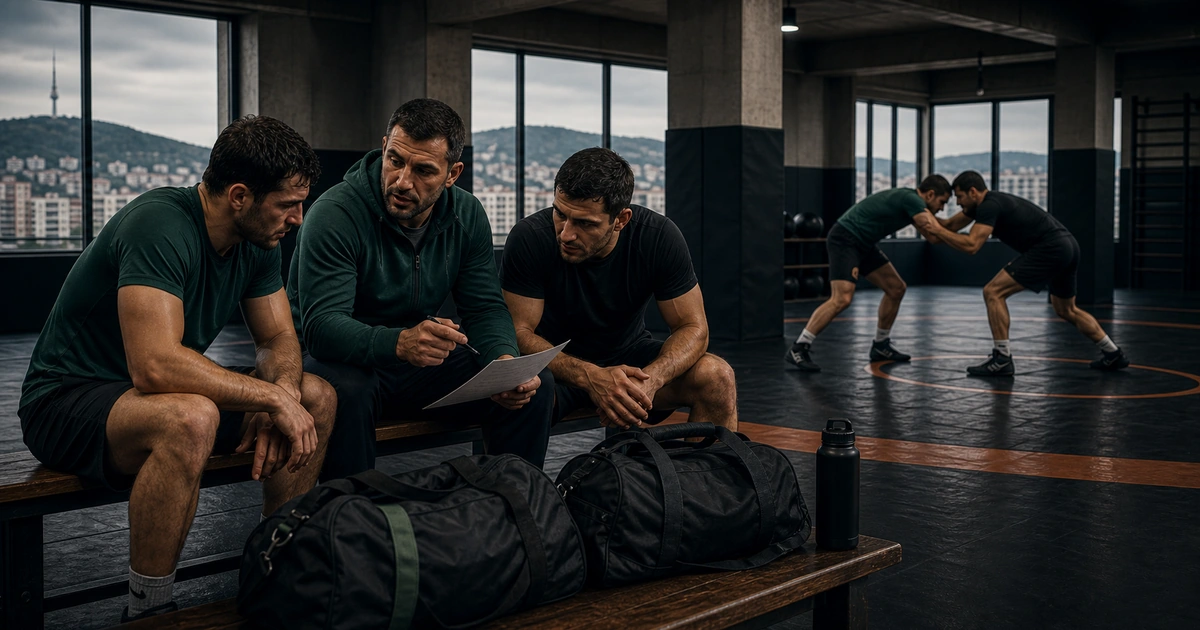
Hero: generated editorial illustration, not documentary camp media
Quick answer
Choose 7 days for a sharp technical reset if you already train regularly; choose 14 days when the goal needs repetition, adaptation and more live testing under pressure.
A 7-day camp is best for one narrow goal such as hand fighting, single-leg finishes or mat returns.
A 14-day camp is better when you are flying far, changing habits or combining training with hotel and breakfast logistics. Lunch, dinner, and trips remain self-arranged.
Published planning snapshot — confirm every item in writing
7-day training-only
Published EUR 500 planning figure
7-day Bed & Breakfast + Hotel
Published EUR 990-1190 planning figures
14-day Bed & Breakfast + Hotel
Published EUR 1980-2380 planning figures
Decision factor
Goal, travel and recovery
Quick recommendation
Choose 7 days if you already train, can arrive in shape and want one technical problem fixed more clearly.
Choose 14 days if you need more repetition, are traveling long-haul or want your new habits tested in more live situations.
The right module is not about being tough. It is about matching the training dose to your goal and recovery.
Who should choose 7 days
Seven days is enough when the goal is narrow.
Examples include cleaning up single-leg finishes, improving hand fighting, learning safer takedown entries for BJJ or rebuilding confidence after a training plateau.
The athlete should arrive already training regularly, because the week moves quickly.
If the first two days are spent just adapting to wrestling intensity, the window for real technical change becomes smaller.
Who should choose 14 days
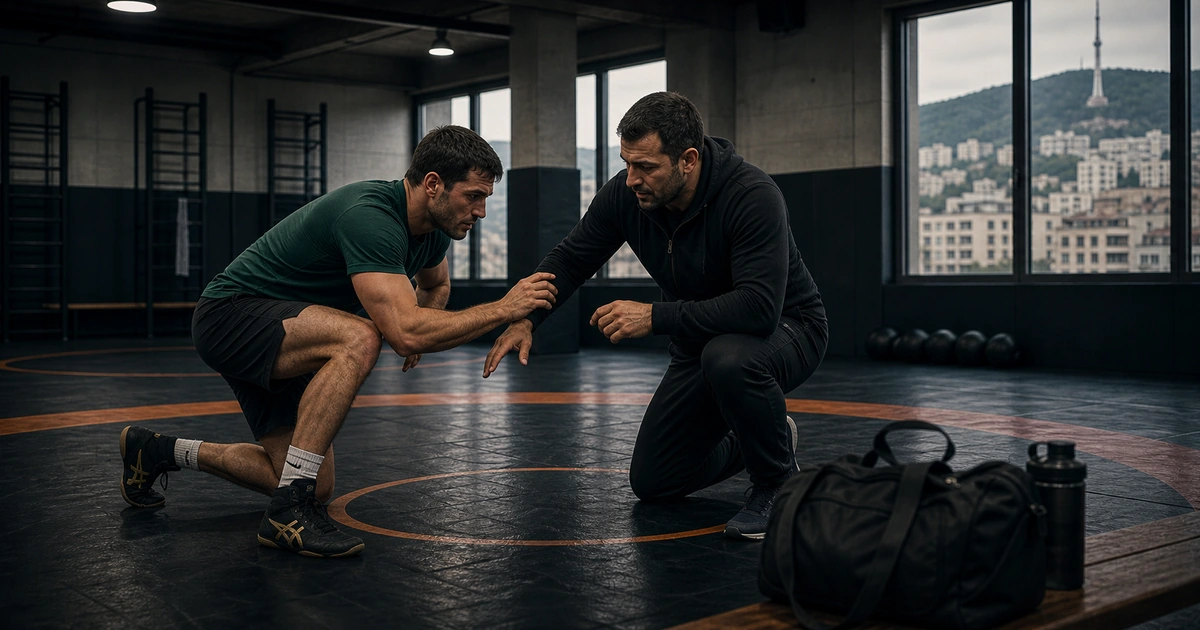
Fourteen days is better when the goal needs adaptation, not just information.
Stance, hand fighting, mat returns, live-round confidence and Greco-Roman upper-body habits often need more repetition than one week gives.
Two weeks also gives coaches more chances to see whether the fix survives fatigue and different partners.
For long-haul travelers, 14 days can make the flight, jet lag and first-day adjustment feel more rational.
Price comparison
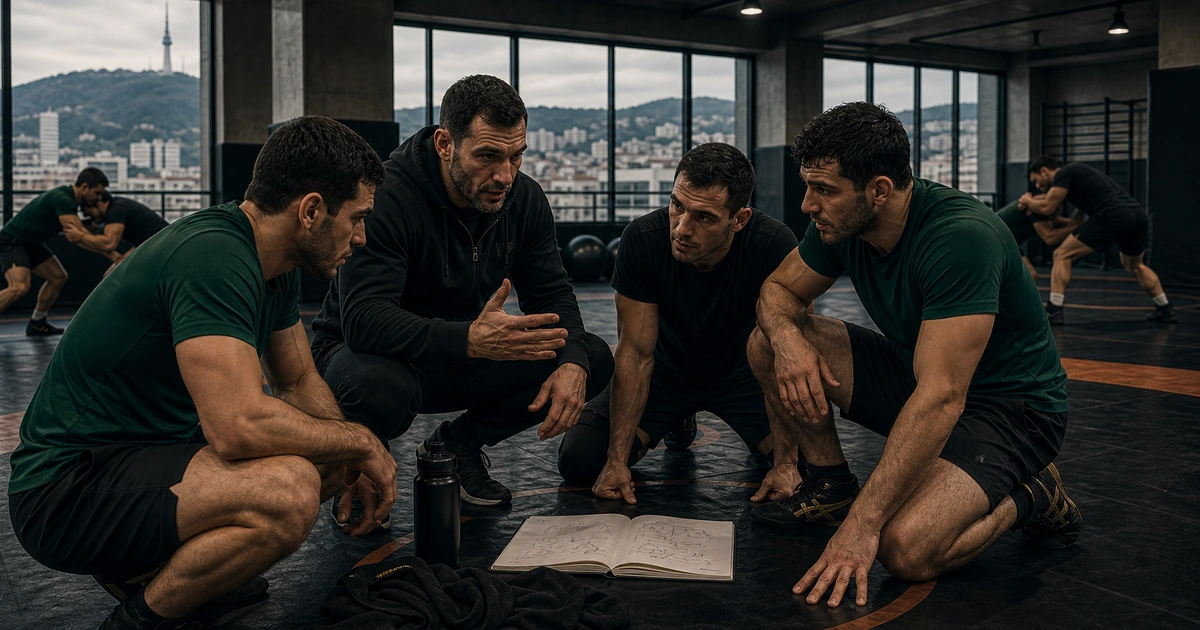
Use price as a planning tool, not the only decision.
The website publishes EUR 500 as a training-only planning figure; confirm the current training access, schedule, price, currency, and exclusions.
The website publishes EUR 990 and EUR 1190 as 7-day Bed & Breakfast + Hotel planning figures. Breakfast is the only included meal; lunch, dinner, excursions, and mountain trips are excluded.
The website publishes EUR 1980 and EUR 2380 as 14-day Bed & Breakfast + Hotel planning figures and a EUR 200-per-week private-room supplement. Breakfast is included; lunch, dinner, excursions, and mountain trips are excluded. Confirm the total and terms in writing.
Use the dates page to compare planned modules and package information, then obtain current availability and commercial terms in writing before paying or booking travel.
Published package and price examples are planning figures, not live offers. Confirm the total price, currency, training, hotel, room, meals, transfers, inclusions, exclusions, and payment terms in writing.
Training Week
EUR 500
Published training-only planning option; confirm current training access, schedule, exclusions, and total in writing.
7-day Bed & Breakfast + Hotel shared room
EUR 990
Published 7-day shared-room planning option with hotel and breakfast only; lunch, dinner, excursions, and mountain trips are excluded. Confirm current training, room, transfers, total, and terms in writing.
7-day Bed & Breakfast + Hotel private room
EUR 1,190
Published 7-day private-room planning option with hotel and breakfast only; lunch, dinner, excursions, and mountain trips are excluded. Confirm current training, room, transfers, supplement, total, and terms in writing.
14-day Bed & Breakfast + Hotel shared room
EUR 1,980
Published 14-day shared-room planning option with hotel and breakfast only; lunch, dinner, excursions, and mountain trips are excluded. Confirm current training, room, transfers, total, and terms in writing.
14-day Bed & Breakfast + Hotel private room
EUR 2,380
Published 14-day private-room planning option with hotel and breakfast only; lunch, dinner, excursions, and mountain trips are excluded. Confirm current training, room, transfers, supplement, total, and terms in writing.
Travel distance, recovery and laundry
Short flights make 7 days easier to justify. Long flights often push the logic toward 14 days.
Recovery also changes with length. A one-week camp asks you to manage intensity from the first session. A two-week camp gives more room for harder and lighter days.
Laundry sounds small until you are training hard. Bring enough gear and choose a package rhythm that lets you recover between sessions.
Examples by athlete type
A BJJ athlete who wants one reliable takedown can do well with 7 days if the goal is specific.
An MMA athlete preparing for clinch and mat returns may prefer 14 days because the work needs more live testing.
A motivated adult beginner can start with 7 days if intensity is controlled and basics are the priority.
A competitor who wants a full pressure block should consider 14 days, especially if travel is long and the camp needs to include recovery.
Final booking checklist
Before you book, write down your sport, level, current training volume, injury limitations, travel distance, preferred room type and one technical goal.
If the goal is narrow and you already train consistently, start with 7 days.
If the goal requires habit change, live pressure or long-haul travel, choose 14 days.
Then use the dates page and inquiry form to confirm availability before making travel plans.
Compare the next camp modules
Select preferred dates and a room request, then ask the team to confirm the current plan and commercial terms in writing.
View dates and packagesRelated Guides
Ready to train wrestling in Georgia?
Send your preferred dates, level, and training request. The team must confirm the current plan, availability, and all commercial terms in writing; this page does not reserve a place.
Training Trip FAQ
Is 7 days enough for a wrestling camp?
Yes, if you already train regularly and arrive with one clear technical goal. Seven days is best for a focused reset.
When is a 14-day wrestling camp better?
Choose 14 days when the goal needs repetition, live testing, recovery rhythm or enough time to make new habits feel natural.
How much do 7-day and 14-day wrestling camps cost?
The website shows EUR 500 to EUR 2380 planning figures and a EUR 200-per-week private-room supplement. Bed & Breakfast + Hotel includes breakfast only; lunch, dinner, excursions, and mountain trips are excluded. Confirm the current total, dates, room, transfers, and terms in writing.
Should long-haul travelers book 14 days?
Often, yes. If the flight is long, 14 days spreads the travel cost and adjustment time across more useful training.
Sources
These sources support the historical, sporting, or travel context cited in the guide. They do not verify current camp coaches, schedules, facilities, packages, or availability.